
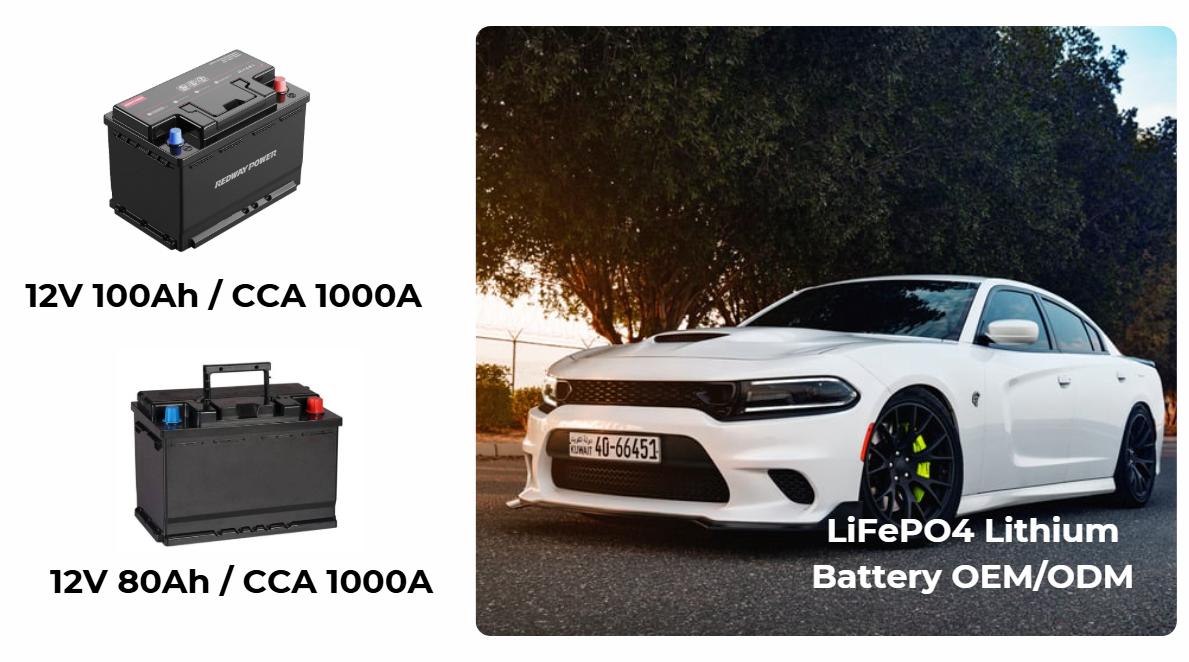
What You Need to Know About LiFePO4 Batteries
LiFePO4 (Lithium Iron Phosphate) batteries are a safe, durable, and efficient type of rechargeable battery widely used in electric vehicles, solar energy storage, and portable power systems. Known for superior thermal stability and long cycle life, they require special chargers and integrate Battery Management Systems (BMS) for safety and performance optimization.
How Do LiFePO4 Batteries Ensure Safety and Stability?
LiFePO4 batteries are inherently safer than other lithium-ion chemistries, resisting thermal runaway and overheating. Their stable molecular structure prevents fire hazards, even under extreme conditions, making them ideal for critical applications.
What Contributes to the Long Lifespan of LiFePO4 Batteries?
These batteries offer thousands of charge-discharge cycles due to chemical stability and robust design. This longevity reduces replacement frequency, providing a more cost-effective energy solution over time.
Which Temperature Ranges Can LiFePO4 Batteries Operate In?
They reliably function across wide temperature ranges, typically from -20°C (-4°F) up to 60°C (140°F), supporting performance in diverse environments without significant degradation.
Why Is High Efficiency Important in LiFePO4 Batteries?
High charge and discharge efficiencies (often above 90%) mean minimal energy loss during operation, maximizing usable energy and improving overall system sustainability.
How Does the High Depth of Discharge (DoD) Benefit Usage?
LiFePO4 batteries can safely discharge up to 100% of their capacity, unlike lead-acid alternatives, allowing more usable energy per cycle without harming battery health, enhancing runtime and flexibility.
When Should Special Chargers Be Used for LiFePO4 Batteries?
LiFePO4 chemistry requires chargers with specific voltage and current profiles, including constant current (CC) and constant voltage (CV) stages, to avoid damage and maintain optimal battery health.
Where Is Charging Below Freezing Critical to Avoid?
Charging LiFePO4 batteries below 0°C (32°F) can cause lithium plating and permanent damage. Some advanced batteries include built-in heating to enable safer low-temperature charging.
Does the Battery Management System (BMS) Improve LiFePO4 Battery Health?
Yes, the BMS monitors voltage, current, temperature, and cell balancing in real-time, protecting against overcharge, deep discharge, and thermal issues to extend battery life and ensure safe operation.
How Are LiFePO4 Batteries Commonly Used?
They power electric vehicles, support solar energy storage, serve as portable power stations, energize electric tools and automated guided vehicles (AGVs), and provide reliable power in medical and UPS systems.
Redway ESS Expert Views
“Redway ESS proudly provides LiFePO4 rack-mounted lithium battery systems designed for safety, longevity, and high performance,” states a company expert. “Our batteries incorporate advanced BMS and rigorous testing to deliver dependable energy storage solutions across renewable, telecom, and industrial sectors worldwide.”
Conclusion
LiFePO4 batteries combine safety, long cycle life, wide temperature operating ranges, and high efficiency, making them ideal for modern energy applications. Proper charging with specialized chargers and BMS integration is essential to maximize performance and lifespan. Redway ESS leads in delivering advanced, reliable LiFePO4 battery solutions for diverse global needs.
Frequently Asked Questions
What makes LiFePO4 batteries safer than others?
Their stable chemistry prevents overheating and thermal runaway.
How long do LiFePO4 batteries typically last?
Thousands of charge-discharge cycles, often over 10 years.
Can LiFePO4 batteries operate in extreme temperatures?
Yes, from roughly -20°C to 60°C.
Why is a specialized charger necessary?
To match LiFePO4’s voltage/current profiles and avoid damage.
How does Redway ESS ensure battery reliability?
By integrating smart BMS and quality manufacturing processes.