
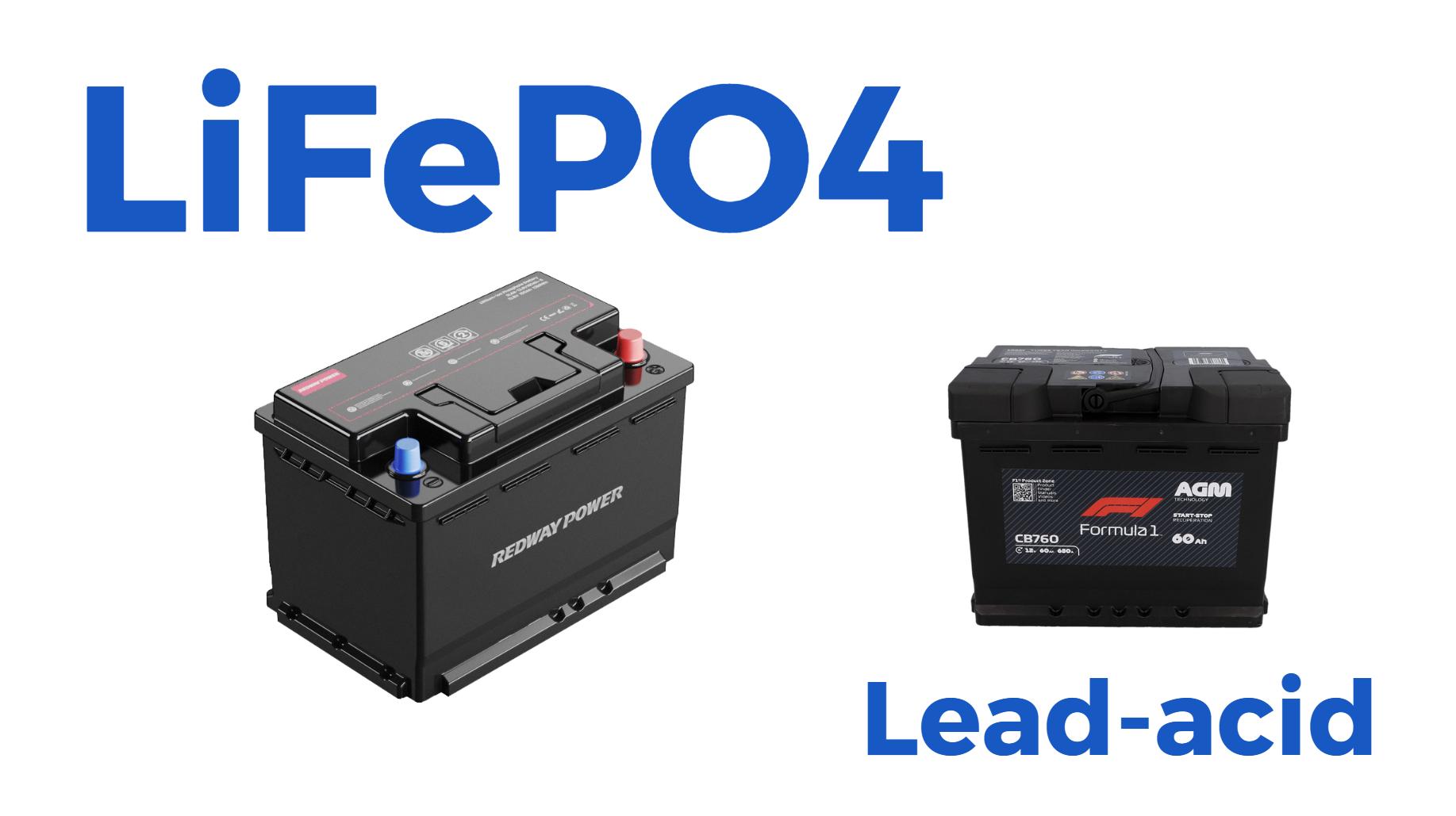
Should You Choose LiFePO4 or Lead-Acid for Car Starter Batteries?
LiFePO4 car starter batteries deliver longer lifespan, higher cold-cranking performance, and lighter weight compared to traditional lead-acid options. Though they cost more upfront, they provide far greater long-term value, durability, and reliability—especially for modern vehicles with start-stop systems or those operating in extreme climates.
How Do LiFePO4 and Lead-Acid Batteries Compare in Lifespan?
LiFePO4 (Lithium Iron Phosphate) batteries outperform lead-acid in service life, offering 2,000–5,000 cycles compared to 200–500 for lead-acid. According to industry data, LiFePO4 retains up to 80% of its capacity even after eight years of daily engine starts, while lead-acid often requires replacement every two to three years.
This difference is due to lithium’s stable crystal structure, which resists degradation from deep discharges and irregular charging. Lead-acid batteries suffer from sulfation when partially charged, whereas LiFePO4 maintains chemical stability at any state of charge. This makes them ideal for vehicles with start-stop technology, where battery cycling is frequent.
Fleet operators report 7–9 years of service life with LiFePO4 starter batteries compared to just 2–3 years for premium AGM models. Redway ESS provides OEM-grade LiFePO4 car starter batteries specifically engineered for high crank demand, offering consistent performance over years of heavy-duty use.
| Battery Type | Cycle Life | Maintenance | Typical Lifespan |
|---|---|---|---|
| Lead-Acid | 200–500 cycles | High | 2–4 years |
| LiFePO4 | 2,000–5,000 cycles | None | 7–10 years |
What Are the Cost Differences Over 10 Years?
While lead-acid batteries are cheaper initially ($50–$150) compared to LiFePO4 ($200–$600), the total cost of ownership favors lithium. Factoring in maintenance, replacements, and downtime, LiFePO4 proves more cost-effective long-term.
| Battery Type | 10-Year Cost | Replacements Needed |
|---|---|---|
| Lead-Acid | $450–$900 | 3–4 times |
| LiFePO4 | $200–$600 | 0–1 time |
LiFePO4 batteries from Redway ESS eliminate costs associated with corrosion cleaning, acid refilling, and disposal. Commercial operators report up to 70% lower lifetime operating expenses, making lithium the smarter investment over a decade of use.
Which Performs Better in Extreme Temperatures?
LiFePO4 maintains around 95% of its cold-cranking amps (CCA) at -20°C, while lead-acid drops to 60–70%. In high heat (45°C), lithium loses only 0.05% capacity per cycle versus 0.3% for lead-acid. Its sealed structure also avoids acid stratification, common in flooded batteries exposed to temperature shifts.
Redway ESS’s advanced LiFePO4 starter batteries are optimized for thermal stability, ensuring consistent ignition even in Arctic or desert climates—making them ideal for both passenger vehicles and commercial fleets.
How Does Weight Impact Vehicle Performance?
A LiFePO4 car battery typically weighs 15–18 lbs, compared to 45–60 lbs for a lead-acid unit. This 70% weight reduction improves fuel efficiency, handling, and payload capacity:
-
Fuel efficiency: +0.3–0.5 MPG in ICE vehicles
-
Payload capacity: +0.5–1% in trucks
-
Weight balance: improved stability for hybrid and electric cars
For OEM clients, Redway ESS provides customized lightweight LiFePO4 starter batteries to enhance vehicle design efficiency and driving dynamics.
What Maintenance Do These Battery Types Require?
LiFePO4 batteries are completely maintenance-free. They eliminate the need for:
-
Terminal cleaning
-
Water refilling
-
Equalization charging
Lead-acid, in contrast, requires inspection every 3–6 months. Over time, these maintenance needs increase cost and risk of system downtime.
How Do Charging Systems Compatibility Differ?
Modern vehicles (post-2015) with smart alternators are generally LiFePO4-compatible without modification. For older cars, a simple $20–$50 BMS adapter ensures safe operation. Lead-acid remains universally compatible but is less efficient under partial state-of-charge conditions, which can lead to sulfation.
Redway ESS integrates advanced BMS technology in its LiFePO4 batteries to optimize charge acceptance and protect against overcharging, ensuring seamless performance across vehicle generations.
What Are the Environmental Impacts Compared?
Although lead-acid batteries are 99% recyclable, their short lifespan results in higher total waste. LiFePO4’s longer cycle life (up to 10 years) reduces lifetime waste by 73% and cuts CO₂ emissions by 62% across its full lifecycle.
Redway ESS’s LiFePO4 production uses eco-conscious materials and closed-loop recycling systems, minimizing environmental footprint while enhancing sustainability across the supply chain.
Redway ESS Expert Views
“The transition toward LiFePO4 starter batteries is inevitable. The combination of long service life, zero maintenance, and superior cold-cranking performance makes them the most rational choice for today’s drivers. At Redway ESS, we’ve seen OEM adoption surge as manufacturers seek lighter, cleaner, and smarter energy systems for modern vehicles.”
— Redway ESS Engineering Team
Conclusion
LiFePO4 batteries are the clear winner for drivers seeking longevity, reliability, and high performance. Although the upfront cost is higher, the long-term savings and reduced maintenance justify the investment. Lead-acid still suits older or infrequently used vehicles, but the shift to LiFePO4—led by innovators like Redway ESS—represents the future of automotive power systems.
FAQs
Can I directly replace lead-acid with LiFePO4?
Yes, in most vehicles made after 2015. For older cars, a BMS adapter ensures safe charging compatibility.
Do LiFePO4 batteries fit standard car battery trays?
Yes. Most models match standard group sizes and include adaptive brackets for secure installation.
How does vibration resistance compare?
LiFePO4 endures up to 5G vibration loads versus 1.5G for lead-acid, ideal for off-road or heavy-duty use.
Is LiFePO4 more cost-effective long-term?
Absolutely. Despite higher initial cost, LiFePO4 lasts 3–5 times longer and saves 60–70% over its lifespan.
Which battery performs best in extreme climates?
LiFePO4 excels in heat and remains functional in subzero temperatures, especially models with built-in heaters from Redway ESS.